Part of the Vegardi app Timed by the plant

Do it like you have done it for years.

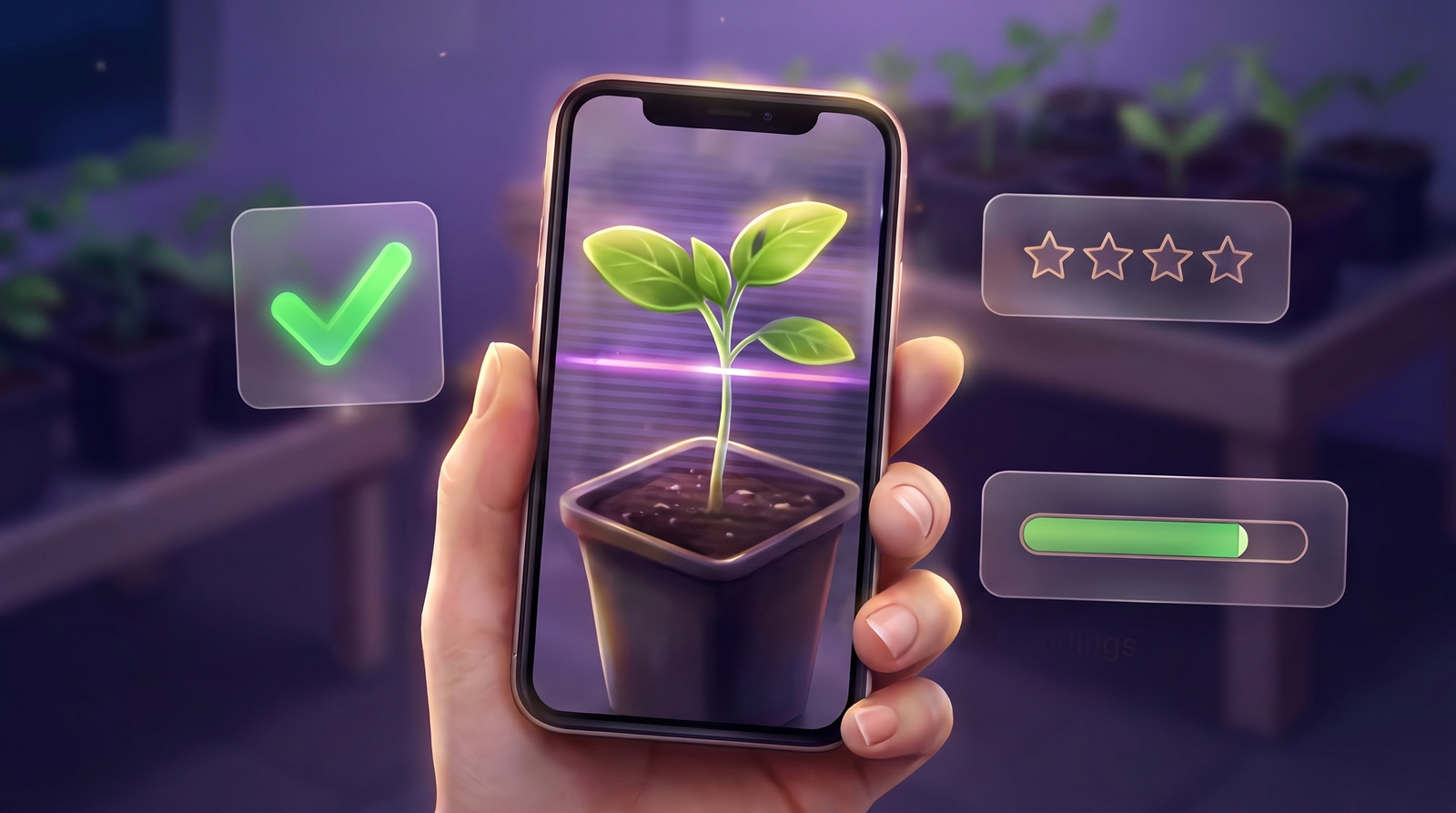
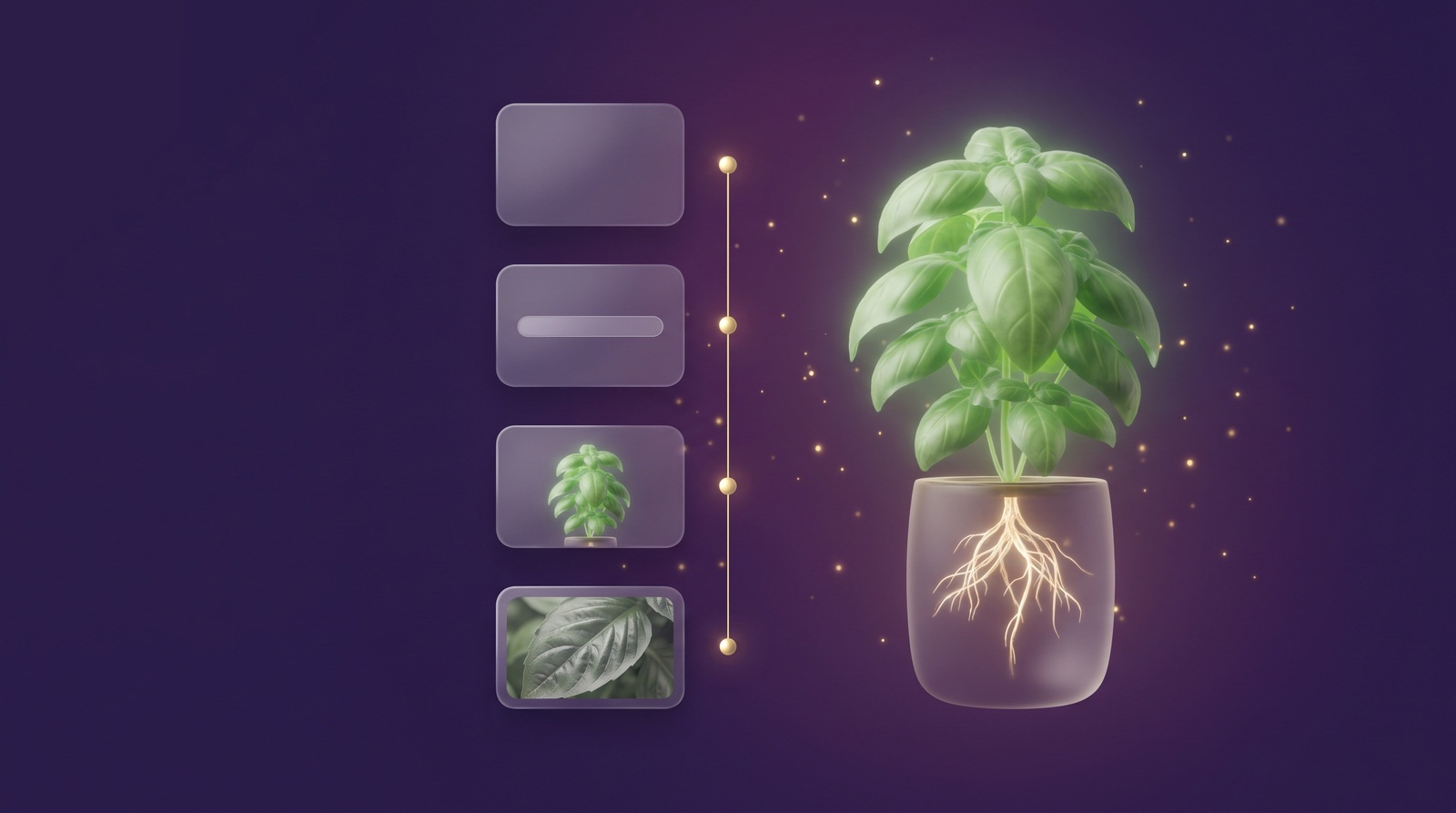
Vegardi raises a card when your plant needs something, and the card carries the whole job: what it is for, whether it even applies to your variety, what to have in hand, every step photographed, what to never do, and a check that comes back to confirm it worked. You stop guessing, and the garden stops paying for it.

No daily quota. Quiet days stay quiet. Privacy

In the app · the job arrives ready to do

The plant asks, not the calendarRaised when your garden actually needs it.
The whole job, in the cardTools, steps, photos, and the safety kept apart.
Ask inside the cardGardi already knows which plant and which step.
The loop closesA check returns to confirm the job held.
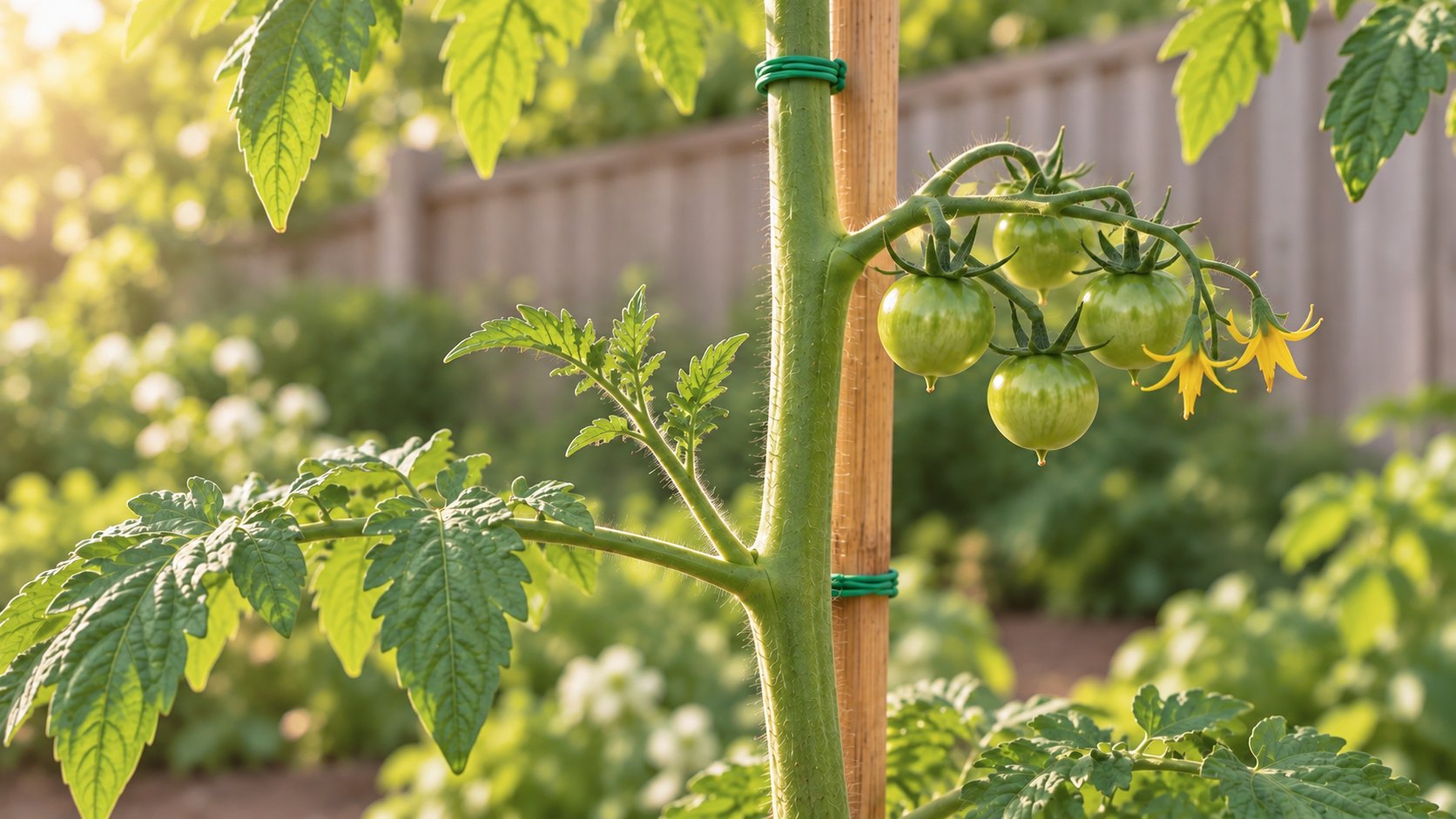
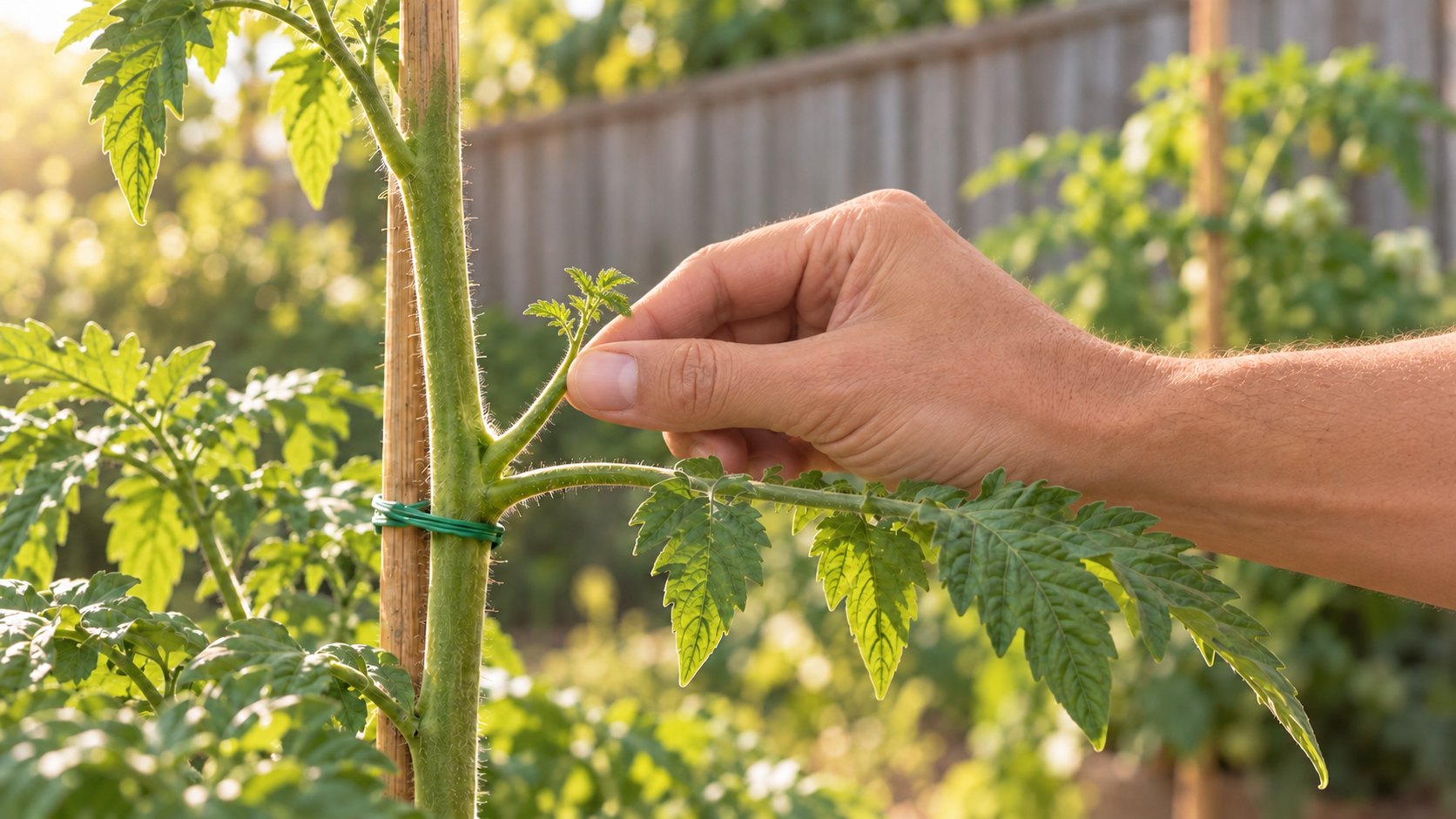
A hand at a tomato stem, deciding which shoot to remove

Shears in hand

The reminder said prune your tomatoes. It did not say which shoot feeds the fruit and which one steals from it, or that on a bush variety removing them costs you the harvest. So you stand there deciding whether to risk it. Most people walk away and hope.

Knowing what to do was never the hard part. Knowing how was.

Day 27. The card finds you.

What a card actually tells you.


The content of one real card, start to finish. You should be able to do the job from it without opening anything else, and without wondering whether it even applies to your plant.

Pruning · beginner · about 5 min · every 7 days

Remove tomato suckers to keep growth focused on fruit

Important

Why it matters

Suckers are side shoots that grow in the leaf axil, the V between a leaf stem and the main stem. On vining tomatoes they grow fast and pull energy away from the fruit. Removing them keeps air moving through the plant and makes disease easier to spot.

Where it applies, and where it does not

Indeterminate, vining tomatoes, in any growing system. Not determinate, bush tomatoes: they fruit on all their stems, so removing suckers lowers the harvest. Check your variety first. A card that knows when NOT to apply to your plant is worth more than one that always says yes.

How specific it gets

Specific enough to act on without a second opinion: pinch anything shorter than one inch between thumb and index finger, right against the main stem, leaving no stub. Cut anything longer with sterilized snips, close to the stem without nicking it, and wipe the blades before the next plant.

Safety, kept apart from technique: never remove more than one third of the plant's green growth in one session, and if suckers were missed for two weeks or more, take some now and the rest a few days later. Prune when the leaves are dry, ideally in the morning, so the cuts dry before evening.

The five steps, each with its own photograph

  1. Find the suckers: scan the main stem bottom to top, they sit in the leaf axils at about 45 degreesStep 1
  2. Choose the one sucker to keep, or none, depending on your height and spacingStep 2
  3. Pinch the small ones, cut the larger ones, sterilizing between plantsSteps 3 and 4
  4. Clear every removed sucker away from the plants, and wash your handsStep 5
  5. Five questions already answered inside the card, from "how do I tell vining from bush" to "I missed a week, do I remove them all now"Ask Gardi
What you get

A grower pinching out a tomato sucker at the leaf axil
  • Timed by the plant, not by a calendar, and raised by what the week actually did to your garden.
  • Ranked by consequence: must do, recommended, or the extra a more experienced grower would do.
  • Every step photographed, and every professional term explained in plain words.
  • Safety held apart from technique, so the thing that could ruin the plant is never buried mid-paragraph.
  • Ask Gardi inside the card: it already knows the plant, the step and your system.
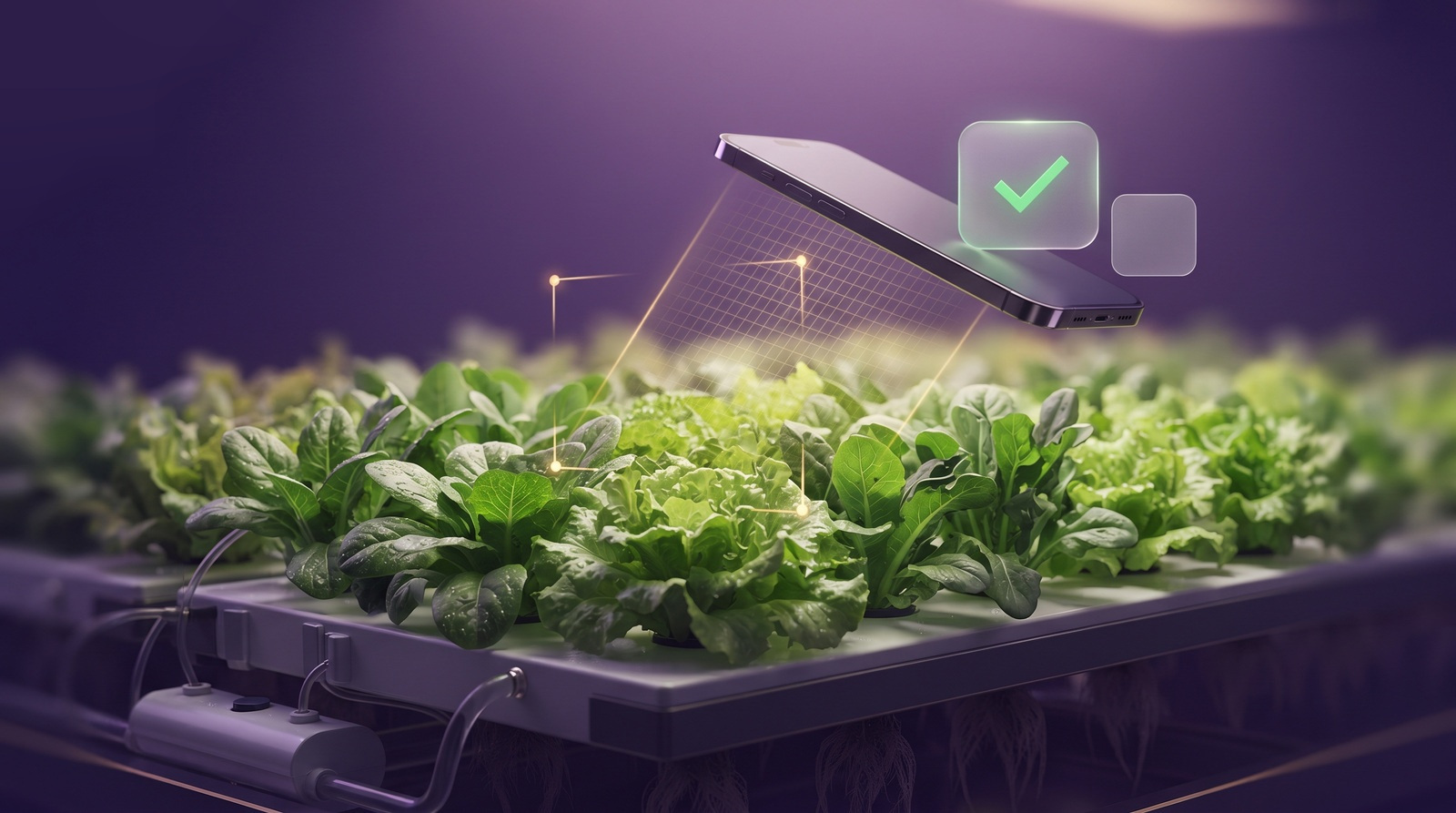
  • The loop closes: a check returns a few days later to confirm the job held.

Why the card teaches while it directs

Vegardi holds 56 stage-aware growing procedures across the crops it covers. A card is drawn from them for the plant in front of you, at the stage it is actually in, which is why it can afford to be specific instead of general.

As of July 2026, and growing.

And the garden sets the pace. No daily quota, and no chores invented to fill a day.

Questions growers ask

Is there an app that tells you what to do in your garden each day?
Yes. Vegardi, the home food-growing app, raises a task card when one of your plants actually needs something. The card is not a reminder: it carries the tools to use, every step with its own photograph, the safety notes held apart from the technique, the professional terms explained in plain words, and a follow-up check a few days later to confirm the job held. Built for edible plants grown at home.
How often should I water my plants?
There is no honest number that fits every plant, because the right answer moves with the crop, its stage, the weather of that week, and what it is growing in. A fixed schedule is the commonest way to overwater in a cool week and underwater in a hot one. Vegardi raises the task when your plant needs it rather than when the calendar says so.
Should I remove the suckers from my tomato plants?
On indeterminate, vining tomatoes, yes: suckers grow in the leaf axils, grow fast, and pull energy away from the fruit, and removing them also keeps air moving so disease is easier to spot. On determinate, bush tomatoes, no: they fruit on all their stems, so removing suckers lowers your harvest. That difference is the whole answer, and it is the kind of thing a Vegardi task card settles for your plant before it ever asks you to pick up the snips.
What is the difference between a task card and a reminder?
A reminder tells you to prune. A task card shows you which roots to cut and which to never touch, what the shears should be like before you start, what the plant looks like when it is done, and comes back three days later to confirm it held. The reminder assumes you already know how. The card teaches while it directs.
Will it bury me in daily chores?
There is no daily quota. Cards appear when the garden calls for them, and they are ranked by consequence: what must be done, what is recommended, and what a more experienced grower would do. Quiet days stay quiet.
I grow in soil. Can I use Task Cards?
The app's full tracking is built for hydroponic systems today; the soil version is in development, and you can join the waitlist to enter its beta as a Founding Grower.
Are Task Cards free?
Every tool lives in the same app. Premium adds unlimited scans and conversations. If you want to feel how Vegardi thinks first, the Plant Doctor and the Garden Check-Up are available. Free in the browser, no account needed for your first scans.

One app. This is a room in it.

Task Cards are one of fifteen tools inside Vegardi, all working the same garden, so each knows what the others did. Every tool lives in the same app. Premium adds unlimited scans and conversations.

In the appEvery plant, every stage, for as long as it grows.Included
In PremiumThe full toolset, unlimited. Currently free for Founding Growers for the first three months.Premium
Feel it in the browser firstThe Plant Doctor and Garden Check-Up are available. Free in the browser, no account needed for your first scans.Free

And it does not work alone. Meet the other fourteen:

Scroll sideways for all of them →

Stop guessing how.

The right job, at the right moment, with everything it takes to do it well. And a check that comes back to tell you it worked.